

Undercut Anchor System Installation Guide: How to Choose the Right Bracket
Undercut Anchor System Installation: How the System Works
Undercut anchor system installation provides a concealed mechanical fixing method for stone and architectural cladding panels. Instead of fixing through the visible face or relying primarily on adhesive, the anchor is installed into a specially prepared hole on the rear of the panel.
Instead of fixing through the visible face or relying primarily on adhesive, the anchor is installed into a specially prepared hole on the rear of the panel. The anchor mechanically engages with the undercut portion of the hole and connects the panel to a bracket and supporting subframe. This keeps the fixing hardware hidden behind the finished facade.
A typical system consists of an undercut anchor, secondary bracket and main support bracket. Different bracket configurations can be used according to the panel dimensions, weight, thickness, required load capacity and installation conditions.
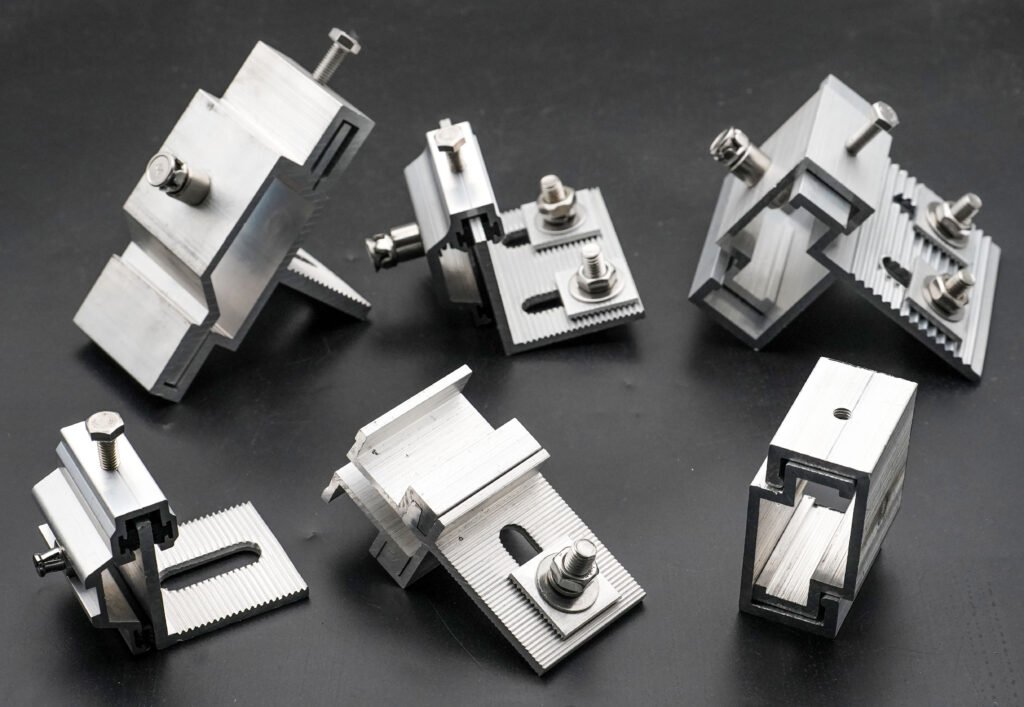
How to Choose the Right Undercut Anchor Bracket
1. Consider Panel Size and Weight
Larger and heavier cladding panels generally require a higher-capacity fixing configuration.
Bracket size, anchor selection, fixing quantity and fixing positions should be determined according to the panel dimensions, weight and required design loads.
A larger bracket does not automatically indicate a specific load rating. The performance of the complete fixing system must be considered.
2. Consider Panel Thickness
Panel thickness directly affects the suitable anchor type and embedment depth.
Thicker panels can generally accommodate deeper anchor configurations, while thinner panels require smaller or shallower fixing solutions.
Different undercut anchor sizes and embedment depths are available for different panel thicknesses and applications.
3. Consider Load Requirements
Different bracket configurations provide different levels of support and adjustment.
| Bracket Type | Main Characteristic | Typical Advantage |
|---|---|---|
| C-Type Undercut Anchor Bracket | Compact ear-type structure | Simple and compact fixing arrangement |
| Slotted C-Type Undercut Anchor Bracket | Compact slotted design for screw-in undercut anchors | Suitable where installation space is limited |
| Male-Female Combined Aluminium Undercut Anchor Bracket | Male-female interlocking structure | Provides mechanical engagement and adjustment space |
| Cantilever Male-Female Aluminium Undercut Anchor Bracket | Integrated cantilever support structure | Reduces the number of separate supporting components |
| Interlocking Cantilever Combined Undercut Anchor Bracket | Larger interlocking cantilever configuration | Provides additional engagement and adjustment space |
Bracket dimensions and configurations can be increased or customized to meet higher load requirements, subject to the complete system design.
4. Consider Adjustment Requirements
Different undercut anchor brackets provide different adjustment options.
Front-to-back adjustment can be achieved through slotted fixing holes, support angles or bracket positioning, allowing the panel distance from the wall to be fine-tuned.
Lateral adjustment can be provided by larger main brackets, particularly in male-female interlocking systems where additional engagement space allows the secondary bracket to move within the main bracket.
Height adjustment can be achieved with top adjustment screws used to fine-tune panel position and alignment.
Why Is the Main Bracket Usually Larger?
In many male-female undercut anchor systems, the main bracket is designed slightly larger than the secondary bracket.
The additional space provides room for lateral adjustment after the two components are engaged. This allows installers to fine-tune the position of individual stone panels and maintain a consistent facade line.
A larger main bracket can provide additional engagement space and adjustment range, allowing the secondary bracket and panel position to be fine-tuned during installation.
Frequently Asked Questions
How do I choose an undercut anchor bracket?
Bracket selection should consider panel size, thickness, weight, design loads, adjustment requirements and the supporting structure. The complete fixing system should be evaluated rather than selecting a bracket based only on its size.
Are screw-in undercut anchors suitable for thinner panels?
Compact screw-in undercut anchor configurations can be suitable for thinner compatible panels, but anchor type and embedment depth should be selected according to the panel material, thickness and project requirements.
Why is the main bracket larger than the secondary bracket?
In many male-female systems, the larger main bracket provides additional engagement space so the secondary bracket can be repositioned during facade alignment and installation.